Tribal Whale Embroidery Design Review
As I set up my table for the upcoming weekend craft fair, I am sorting through a stack of digital files to decide which designs will translate best into tangible, sellable goods. Among the machine embroidery design assets in my queue is the Tribal Whale. My goal today is not just to stitch it out, but to evaluate its potential as a craft fair product that will stop shoppers in their tracks. For any Etsy seller, boutique maker, or creative entrepreneur preparing a booth, the difference between a good design and a best-seller often comes down to how well it performs on real fabric under real lighting.
First Impressions: A Subtle Touch of Charm
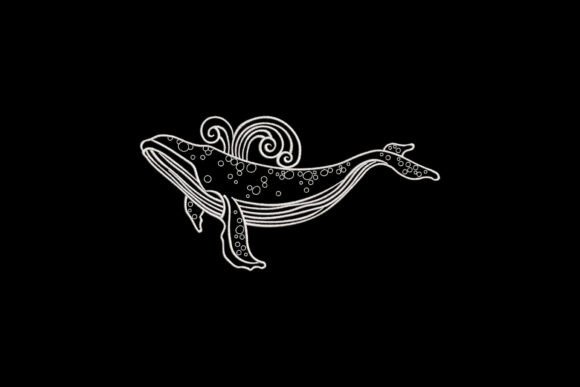
When I first opened the embroidery file for the Tribal Whale, the aesthetic immediately struck me as a blend of modern minimalism and rustic charm. The title suggests a bold statement, yet the description promises a "subtle touch of creativity." In the world of handmade goods, this balance is crucial. The design does not scream for attention with chaotic lines; instead, it offers a decorative, almost elegant silhouette that fits perfectly into a farmhouse or coastal home decor theme. It feels less like a cartoon animal and more like a sophisticated graphic element suitable for high-end handmade products.
For a craft fair booth where visual clutter can be overwhelming, the Tribal Whale stands out because of its clean lines. It appeals to the customer looking for something unique but not overpowering. Whether you are selling a tote bag design or a simple pillow cover, this motif adds an instant layer of artistic value without feeling kitschy.
Product Placement: Where the Design Shines
Before committing to a full production run, I always test how a design behaves on different substrates. Here is my breakdown of where the Tribal Whale excels as a commercial embroidery asset:
- Kitchen Textiles: This is arguably the strongest category for this design. On a linen tea towel, the Tribal Whale looks artisanal and premium. The tea towel embroidery application works beautifully because the texture of the fabric complements the tribal patterns within the whale shape. Similarly, on canvas aprons, the design acts as a focal point near the chest pocket, elevating a basic kitchen tool into a giftable item.
- Wearable Accessories: While the design is versatile, I recommend using it carefully on curved surfaces. On flat caps, the Tribal Whale can look striking if placed on the front panel, provided the hoop size matches the cap's curvature. However, on T-shirts, it works best as a small accent on the sleeve or a larger statement on the back rather than a tiny chest logo, ensuring the details remain visible.
- Home Decor: Pillow covers are a staple for craft fairs. The Tribal Whale fits seamlessly into a collection of neutral-toned pillows, adding a pop of interest without clashing with other patterns. It also works exceptionally well on small fabric pouches and market bags, where the stitch density can be adjusted to ensure durability against frequent handling.
- Patches and Appliques: If you prefer creating separate items to sew onto jackets or denim, turning this into an embroidered patch is a smart move. Patches allow customers to customize their own gear, increasing the perceived value of your small shop product line.
Production Practicalities and Visual Appeal
From a designer's perspective, the success of the Tribal Whale relies heavily on execution. When photographing these items for online listings or creating a printable mockup for social media, the contrast between the thread and the fabric is key. Lighter fabrics like cream or oatmeal canvas make the design pop, especially if you use deep navy or charcoal thread colors. Conversely, on dark fabrics, you must ensure the stitch count is high enough to prevent the background from showing through, which can muddy the tribal details.
One critical factor for batch production is clarity at a glance. At a busy craft fair, a customer has only seconds to notice your work. The Tribal Whale succeeds here because its shape is instantly recognizable as an Animals motif, even from a distance. However, do not shrink the design too much. If you attempt to stitch this on a very small button or a narrow cuff, the intricate tribal lines may lose definition. Always check the digital embroidery file specifications to ensure the minimum recommended size is respected to maintain quality.
Practical Designer Notes for Success
To ensure your finished product looks professional, follow these steps before you start stitching:
- Test on Scrap Fabric: Never skip the test run. Stitch the Tribal Whale on a scrap piece of the exact fabric you plan to use. This reveals issues with puckering or tension that might not be obvious on the screen.
- Check Thread Contrast: Ensure the thread colors you select provide enough contrast against the fabric base. Low contrast can make the design look unfinished or low-quality.
- Review Spacing and Density: Inspect the stitch density closely. Dense areas can cause fabric distortion, while sparse areas might look incomplete. Adjust settings if necessary to achieve a smooth finish.
- Confirm Hoop Size: Verify that the design fits comfortably within your hoop without stretching the fabric excessively, which can lead to misalignment.
- Use the Right Stabilizer: For textured items like towels or thick canvas, a tear-away or cut-away stabilizer is essential to support the stitches and prevent sagging.
- Create Real Mockups: Before listing on Etsy or setting up your booth, create at least one physical sample. Photos of actual stitched items sell better than computer-generated images.
- Verify Licensing: As a responsible maker, confirm your commercial licensing terms. Ensure you have the right to sell finished goods featuring this design assets before investing in materials.
Maximizing Booth Display Strength
When arranging your table, group the Tribal Whale items by color palette to create a cohesive look. A row of white tote bags with navy whales next to a stack of beige aprons with the same design creates a powerful visual rhythm that draws the eye. This consistency helps build brand recognition for your handmade business. Customers appreciate seeing a design they love applied to multiple useful items, increasing the likelihood of a multi-item purchase.
The Tribal Whale is more than just a cute picture; it is a versatile tool for the savvy Embroidery business owner. By understanding its strengths on specific fabrics and adhering to strict quality control during production, you can turn a single digital file into a profitable line of finished products. Whether you are a seasoned pro or a new crafter entering the market, focusing on these practical details ensures that your work stands out in a crowded field. Remember, the best craft fair product is one that combines beautiful design with flawless execution.