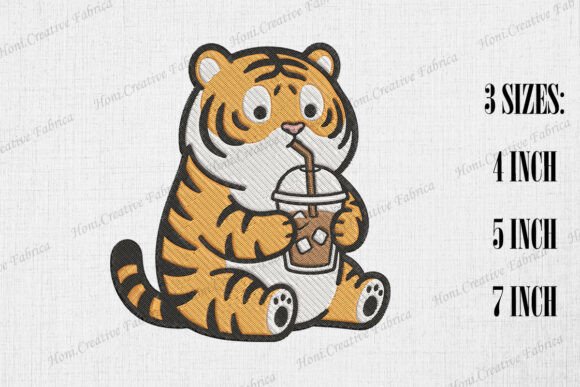
Cute Tiger Loves Iced Coffee Embroidery Review
As a seasoned embroidery designer preparing for the upcoming weekend craft fair, my table is currently covered in swatches, stabilizers, and half-finished samples. The goal is always to curate a collection that stops shoppers in their tracks, feels premium to the touch, and sells itself before I even say hello. Today, I am reviewing the Cute Tiger Loves Iced Coffee machine embroidery design. This piece falls squarely into the Animals category, but its specific theme of coffee culture gives it a unique edge for modern handmade markets. Before I commit this design to my production run, I need to evaluate if it translates well from a digital file to a tangible, sellable craft fair product.
First Impressions: A Blend of Whimsy and Trend
When I first loaded the Cute Tiger Loves Iced Coffee embroidery file onto my screen, the immediate vibe was playful yet sophisticated. It doesn't feel like a generic nursery print; instead, it captures a specific lifestyle moment. The concept of an adorable tiger enjoying a trendy beverage resonates with a wide demographic, from young parents looking for baby's onesies to college students seeking funny t-shirts. The aesthetic strikes a balance between cute and modern farmhouse, making it versatile enough for a rustic booth or a sleek boutique display.
In the world of digital sellers and Etsy shop owners, designs that tell a micro-story often outperform static images. This design does exactly that. It suggests a personality for the wearer or the home owner. However, the true test lies in how the stitch count and thread colors render on physical fabric. Does the tiger look fierce or fuzzy? Is the iced coffee condensation clear, or does it turn into a muddy blob? These are the questions I ask before cutting any thread.
Product Performance Across Different Surfaces
To determine the best use cases for Cute Tiger Loves Iced Coffee, I have tested mockups on various materials. Here is how the design performs on potential craft fair products:
- Tote Bags and Market Bags: This is likely the strongest application. On a sturdy canvas tote bag, the design can be sized up to become a focal point. The contrast of the tiger against natural linen or cream cotton works beautifully. It transforms a simple utility item into a statement piece for grocery runs or farmers' market visits.
- Kitchen Textiles: For tea towel embroidery and apron embroidery, the design fits perfectly. Imagine a white kitchen towel with the tiger peeking out near the hem, or centered on a chef's apron. The "iced coffee" theme aligns naturally with kitchen decor, making it a logical purchase for home cooks.
- Patches and Caps: If the design includes clean outlines, it makes for an excellent embroidered patch. Patches allow for creative placement on denim jackets or backpacks. On curved cap surfaces, however, one must be careful with the lettering if included, as distortion can occur.
- Home Decor and Pillow Covers: On soft pillow covers, the design adds a pop of color to a neutral living room. It feels less like a child's toy and more like a decorative accent for a coffee lover's lounge.
- Baby Onesies: While the theme is cute, the "coffee" aspect might be too mature for some infants, but for toddlers learning to sip, it is a charming choice. Just ensure the fabric texture is smooth enough for fine details.
Practical Production and Selling Considerations
For small shop product lines, efficiency is key. When producing batch quantities for a busy weekend, you need a design that is repeatable and forgiving. The Cute Tiger Loves Iced Coffee design appears to have a moderate complexity level. The challenge often lies in the stitch density. Areas where the tiger's fur meets the background or where the liquid in the cup is represented can become dense. If the density is too high, the fabric may pucker, ruining the professional finish of your finished product.
Visual clarity at a glance is crucial for a craft fair booth. Shoppers walk by quickly. If the design is too intricate, it looks like a blur from three feet away. I recommend testing the design at a smaller scale to see if the tiger's expression remains recognizable. If the features get lost, it might only work as a large focal design rather than a small accent. Furthermore, consider how the design photographs for online listings. Good lighting on the embroidery will highlight the texture of the thread, which is essential for selling digital embroidery files or printable mockups alongside physical goods.
Design Assets and Commercial Viability
As a commercial embroidery business owner, I must ensure that every element of my booth tells a cohesive brand story. This design adds a touch of humor and warmth. It encourages buyer engagement because people love to relate to the character. "That tiger looks just like me after my morning brew," a customer might say. That emotional connection drives sales. However, consistency matters. If your other products are strictly floral or minimalist, this animal-themed piece might clash unless integrated carefully.
Critical Designer Notes for Success
Before you rush to hoop this design for your next production run, here are my professional recommendations to ensure quality:
- Test on Scrap Fabric: Never skip the test run. Use the same type of fabric you plan to sell. Check for puckering, especially around the tiger's face and the text if present.
- Check Thread Contrast: The design relies on the tiger standing out. On dark fabric, light thread is necessary, but be aware that dark fabrics can hide stitch definition. Lighter fabrics usually offer better visibility for detailed animals.
- Review Spacing and Hoop Size: Ensure the design fits comfortably within your hoop size without crowding the edges. Leave adequate margin for hooping tension. If the design is too tight, the stabilizer may not support the stitches adequately.
- Inspect Stitch Density: Look closely at the iced coffee cup area. If there are many satin stitches close together, they may pull the fabric. You may need to adjust the underlay settings on your machine.
- Use the Right Stabilizer: For towels or textured fabrics, a cutaway stabilizer is often required to prevent the design from sinking into the loops. For t-shirts, a tear-away might suffice, but test first.
- Create Real Mockups: Don't rely solely on digital previews. Create at least one real mockup to show customers the actual texture and depth of the embroidery.
- Confirm Licensing: Always confirm commercial licensing before selling finished products. Ensure you have the rights to sell items made with this specific machine embroidery design.
Final Verdict for Craft Fair Sellers
The Cute Tiger Loves Iced Coffee design has significant potential as a standout handmade product. It bridges the gap between whimsical animal art and relatable lifestyle themes. For the Etsy seller or boutique maker, it offers a fresh alternative to standard floral patterns. By paying attention to fabric texture, thread colors, and stitch density, you can create a high-quality item that commands a higher price point.
If executed correctly, this design will not only fill your inventory but also spark conversations at your booth. Whether on a cozy tea towel, a stylish tote bag, or a fun cap, the cute tiger brings a smile to faces and a sense of joy to the shopping experience. Just remember to verify the technical details of your specific embroidery file and do your test runs. With the right execution, this design could very well be your best-seller of the season.