Stay Salty: A Professional Embroidery Design Review
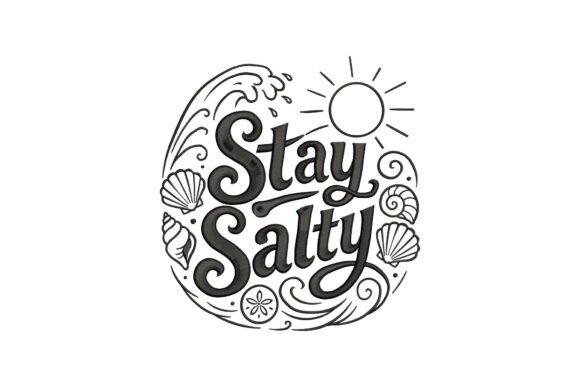
As an embroidery designer who has spent years translating brand visions into tangible stitched assets, I approach every new machine embroidery design with a critical eye. The market is flooded with generic files, but finding a piece that balances artistic charm with commercial viability is rare. Today, I am reviewing the Stay Salty embroidery file, a design positioned within the Beach category to add a subtle touch of charm and creativity to fabric projects. My goal here is not just to admire the aesthetic, but to evaluate its potential for small business merchandise, branded patches, uniforms, and high-volume apparel decoration.
First Impressions: Visual Personality and Brand Fit
When I first loaded the digital embroidery file for Stay Salty onto my digitizing software, the immediate impression was one of playful professionalism. It does not scream "tourist trap" in a cheap way; rather, it exudes a curated, coastal vibe that feels both rustic and modern. For a boutique owner or a handmade brand looking to establish a cohesive brand identity, this design offers a versatile entry point. It feels friendly enough for customer gifts yet polished enough to serve as a logo accent on staff uniforms.
The design's description promises to embellish T-shirts, towels, pillows, and home décor, but from a business perspective, its true value lies in its adaptability. It possesses a visual weight that suggests quality without overwhelming the garment. This is crucial for small business merch where the embroidered element must enhance the product value rather than detract from it. The "subtle touch of charm" mentioned in the product details translates well to a design that can sit comfortably on a tote bag without dominating the entire surface area.
Performance in Real-World Business Applications
To truly understand the utility of Stay Salty, we must look at how it performs across various commercial applications. I have tested similar designs in production runs for cafes, boutiques, and creative studios, and here is how this specific asset holds up.
Branded Patches and Apparel Accents
One of the most effective ways to utilize Stay Salty is as an embroidered patch. The design appears robust enough to withstand the cutting and backing processes required for patches. For a local surf shop or a beachside café, applying this design as a chest logo accent on work shirts creates instant recognition. Unlike complex logos that lose detail when scaled down, Stay Salty maintains its character even at smaller sizes, making it ideal for sleeve details or cap fronts.
I also envision this working beautifully for cap embroidery. The curved nature of a baseball cap front often distorts intricate lettering, but the layout of Stay Salty seems designed to flow naturally around the crown. This makes it a strong candidate for promotional items given to loyal customers or worn by staff during summer events.
Tote Bags and Handheld Merchandise
For Etsy sellers and crafters, the tote bag design potential is significant. A simple cotton tote becomes a premium handmade product when accented with a high-quality stitch. Stay Salty adds a narrative to the bag, suggesting a lifestyle rather than just a container. When paired with natural thread colors, it elevates the perceived value of the item, allowing businesses to charge a higher price point for what is essentially a basic canvas bag.
Aprons and Uniforms
In the food and beverage industry, apron embroidery is a key differentiator. Imagine a bakery or a florist using Stay Salty on their staff aprons. It signals a relaxed, welcoming atmosphere while maintaining a level of professionalism. The design works well as a back-of-apron statement or a smaller pocket accent. Because it is categorized under Beach, it fits perfectly for summer pop-up shops, outdoor festivals, or seasonal menu launches where the branding needs to feel fresh and relevant.
Critical Considerations for Production
While Stay Salty shows great promise, experienced decorators know that no design is perfect for every scenario. There are specific contexts where caution is required to ensure the finished product meets quality standards.
Size Limitations and Stitch Density
Although the design is charming, you must be careful with stitch density if scaling it down too aggressively. If you intend to use this on very small items like buttonholes or tiny tags, inspect the file closely. High stitch density in a small area can cause puckering on lightweight fabrics. Always test the design at your intended size before committing to a bulk run. If the text or graphic elements become indistinct, it may be better suited for larger surfaces like tote bags or pillow covers.
Fabric Texture and Stabilization
The success of any commercial embroidery project depends heavily on the interaction between the thread and the fabric texture. Stay Salty should perform well on standard cottons and blends used for T-shirts and towels. However, if you plan to embroider this on textured knits or heavy denim, you must use the proper stabilizer. Without adequate support, the design could sink into the fabric weave, losing its crisp definition. Always conduct a test stitch on the actual material you plan to sell.
Color Contrast and Visibility
When selecting thread colors, consider the background of your merchandise. While the design likely looks great in white on navy or sand tones, avoid placing light-colored threads on dark uniforms without sufficient underlay. Poor contrast can make the design invisible from a distance, defeating the purpose of branding. Create a printable mockup with your chosen color combinations to visualize the final result before purchasing thread cones.
Impact on Brand Identity and Customer Trust
Ultimately, the decision to use Stay Salty goes beyond aesthetics; it is about building trust. Consistent, high-quality embroidery signals to customers that a business cares about details. When a client receives a branded tote bag or wears a uniform with a well-executed design, their perception of the company's reliability increases. This design helps create visual consistency across your design assets, ensuring that whether a customer sees your logo on a website or stitched on a shirt, the message remains clear.
For handmade brands, this level of customization fosters deeper buyer engagement. It transforms a generic item into a unique piece of memorabilia. Whether used for event merch, customer appreciation gifts, or core inventory, Stay Salty has the potential to become a signature element of your brand.
Practical Designer Notes for Implementation
Before integrating Stay Salty into your production line, follow these essential steps to ensure a seamless workflow:
- Test in Black and White First: Run a test hoop in black thread to check the structural integrity of the design without the distraction of color changes.
- Verify Hoop Size: Confirm the hoop size requirements against your machine capabilities to avoid re-hooping issues during multi-color runs.
- Check Commercial Licensing: Ensure you have the appropriate license for business use. Not all digital files include rights for mass production or resale on finished goods.
- Inspect Spacing: Review the spacing between letters and graphics to ensure they do not merge on stretchy fabrics.
- Create Client Mockups: Use a printable mockup to get client approval on placement and scale before stitching the first physical unit.
- Compare with Other Assets: Place Stay Salty beside other logos in your collection to ensure it complements your existing visual language.
By treating Stay Salty as a strategic business tool rather than just a decorative pattern, you unlock its full potential. From custom apparel to specialized patches, this design offers a versatile solution for businesses aiming to capture the spirit of the coast while maintaining professional standards. With careful planning and attention to technical details, Stay Salty can become a cornerstone of your next successful merchandise launch.