Sleeping Bunny Baby Animals Design Review
As a professional embroidery designer who has spent years translating digital files into tangible brand assets, I approach every new machine embroidery design with a critical eye. The market is flooded with cute motifs, but very few are truly ready for the rigors of commercial production. Today, I am reviewing the Sleeping Bunny Baby Animals design to determine if it holds up as a serious asset for small business merchandise and branded patch use. This isn't just about making something pretty; it is about evaluating whether this specific file can elevate your brand identity while maintaining structural integrity on various textiles.
First Impressions: Visual Personality and Brand Fit
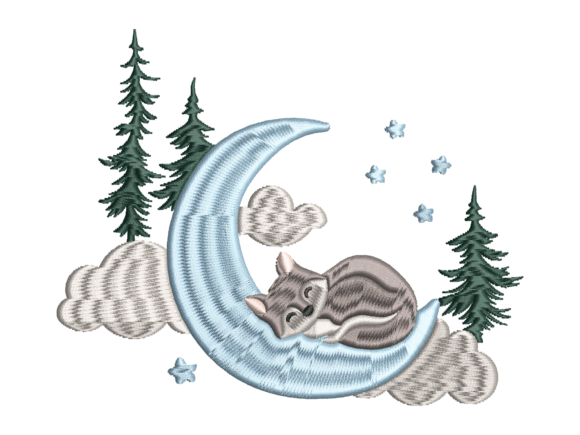
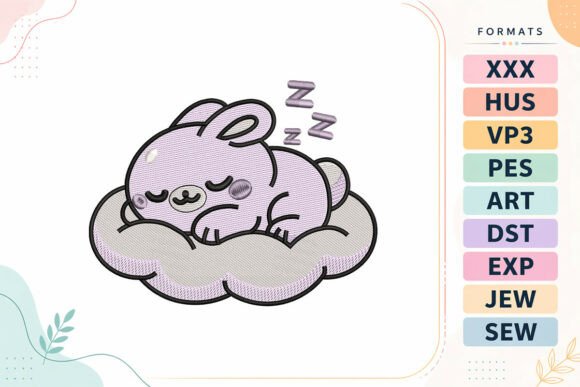
When I first load the digital embroidery file for Sleeping Bunny Baby Animals, the visual language is immediately clear. The description highlights a "cute pastel bunny peacefully resting on a fluffy cloud with playful sleepy accents." From a branding perspective, this aesthetic leans heavily into the soft, nurturing, and whimsical side of design. It feels handmade, friendly, and undeniably approachable. For businesses operating in the nursery decor, baby clothing, or boutique gift sectors, this design screams warmth and care.
However, the challenge lies in its application beyond simple decoration. Does it feel premium? Yes, provided the execution is flawless. The pastel palette suggests a delicate touch, which can translate to high perceived value if the thread colors are rich and the stitch density is managed correctly. If you are a florist looking to add a seasonal touch to your staff aprons, or a bakery wanting to create a special line of tote bags for spring, this design offers a distinct visual personality that separates you from competitors using generic logos. It signals that your brand understands the emotional connection customers have with soft, comforting imagery.
Performance in Real Business Applications
The true test of any embroidery file is how it performs when moved from the screen to the fabric. Let's break down where Sleeping Bunny Baby Animals shines in a commercial setting.
Branded Patches and Staff Uniforms
One of the most versatile uses for this design is as an embroidered patch. Because the bunny rests on a cloud, the composition is naturally rounded and self-contained, making it ideal for iron-on or sew-on patches. Imagine a local pet grooming salon or a children's boutique using these patches on denim jackets, canvas aprons, or even as a subtle chest logo accent on work shirts. The "sleepy" theme works exceptionally well for brands that want to project a calm, gentle atmosphere. When applied to apron embroidery, the design adds a layer of charm without overwhelming the wearer, making it perfect for front-of-house staff in family-oriented businesses.
Apparel Accessories and Tote Bags
For cap embroidery, the design requires careful placement. The cloud element provides a nice base that can anchor the bunny on the curved surface of a hat front. However, because the design features "playful sleepy accents," you must ensure these details do not get lost on the tight curve of a baseball cap. On tote bag design projects, the design excels. Canvas totes provide a flat, stable surface where the fluffy texture of the cloud and the soft contours of the bunny can be fully realized. These bags become excellent marketing tools, turning your customers into walking billboards for your brand.
Etsy Branding and Handmade Products
If you are an Etsy seller or a craft business owner, this design is a goldmine for creating cohesive design assets. Using it on baby blankets, nursery decor, or kids' clothing creates a unified product line. The key here is consistency. By using the same thread colors and stitch patterns across different products, you build a recognizable brand identity. Customers begin to associate that specific sleeping bunny with your shop, increasing trust and repeat purchases. Furthermore, offering this design as a custom add-on to larger items, like personalized onesies or quilts, can significantly increase your average order value.
Critical Considerations for Production
While Sleeping Bunny Baby Animals is visually appealing, there are specific scenarios where caution is required. As a designer, I always advise clients to avoid using intricate designs on fabrics with heavy textures or deep pile, such as thick fleece or shaggy blankets, unless the stitch count is adjusted. The "fluffy cloud" detail relies on satin stitches or fill stitches that can sink into textured fabric, losing definition.
Additionally, be wary of using this design at very small sizes. The "playful sleepy accents" mentioned in the description suggest fine details. If you shrink the design too much for a tiny label or a small pocket patch, those details may merge into a blob of thread. Always check the minimum recommended size before committing to a run. Dark uniforms also present a challenge; pastel bunnies on black fabric require a dense underlay to prevent the background color from showing through, which increases thread consumption and cost.
Practical Designer Notes for Success
To ensure your final product looks professional, follow these steps before mass production:
- Test in Black and White First: Before ordering expensive thread, run a test in a single dark color to verify the stitch flow and density. This helps identify any potential gaps or floating threads.
- Verify Hoop Size: Confirm that your machine hoop can accommodate the full width of the bunny and cloud without distortion. If the design is too large for your standard hoop, consider splitting it or resizing it slightly.
- Select the Right Stabilizer: For lightweight items like baby clothing, use a tear-away stabilizer. For heavier items like tote bags or caps, a cut-away or mesh stabilizer will provide the necessary support to keep the design crisp after washing.
- Create a Printable Mockup: Never skip the mockup stage. Show your client or yourself a realistic image of the design on the actual garment. This manages expectations and prevents costly re-embroidery jobs.
- Check Commercial Licensing: Ensure your commercial embroidery license covers the intended volume of production. Many digital files are sold for personal use only, so clarify the terms before selling your finished goods.
- Inspect Thread Contrast: Since the design features pastels, ensure the background fabric provides enough contrast. A white bunny on a cream shirt might look muddy; a light grey background could enhance the pop.
Impact on Brand Identity and Customer Trust
Ultimately, the decision to use Sleeping Bunny Baby Animals goes beyond aesthetics; it is a strategic move for your business. High-quality embroidery communicates professionalism. When a customer receives a tote bag or a patch with a well-executed design, they perceive the brand behind it as attentive to detail. This tactile quality builds customer trust and enhances the perceived value of your products.
In the competitive world of small business merch, standing out is crucial. While many brands rely solely on printed logos, embroidered elements offer a premium, durable alternative that stands the test of time and frequent washing. The Sleeping Bunny Baby Animals design, with its universal appeal and soft imagery, serves as a powerful tool for engagement. It invites interaction, evokes positive emotions, and creates a memorable visual signature for your brand.
Whether you are outfitting a team of baristas, launching a new line of nursery essentials, or simply adding a unique touch to your packaging, this design offers a versatile foundation. Just remember to respect the technical limitations of embroidery and always test your finished product before going to scale. With proper planning and execution, this adorable motif can become a cornerstone of your brand's visual identity.