Review: Mystic Phoenix and Fox Outline
As I set up my booth for the upcoming weekend craft fair, the table is a chaotic mix of finished goods, half-stitched samples, and fabric swatches. My goal is always to curate a collection that stops the scroll—both online on Etsy and in person when a customer walks by. Today, I am evaluating a new machine embroidery design called Mystic Phoenix and Fox Outline. This piece falls under the Birds category but promises a narrative twist with the inclusion of the fox. The description claims it brings a touch of elegance to projects, perfect for hoop embroidery, t-shirts, tote bags, cushions, and table linens. Before I commit this to my production schedule, I need to know if it translates from a digital file into a sellable handmade product.
First Impressions: Elegance Meets Folklore
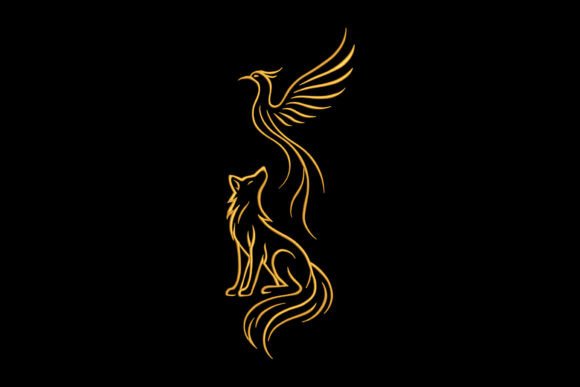
The title alone suggests a specific aesthetic: mystical, perhaps slightly bohemian, yet refined. Unlike a cartoonish animal print or a rustic farmhouse flower, the combination of a phoenix and a fox implies a story. For a craft fair setting, storytelling sells. Customers love items that feel like they have a soul. When I first opened the preview of the Mystic Phoenix and Fox Outline, the line work appeared clean and fluid. It feels less like a dense, heavy traditional motif and more like a modern, decorative sketch. This "outline" style is currently trending among boutique makers because it allows the texture of the fabric to show through, creating a lighter, airier look than solid fill designs.
However, the term "elegant" requires scrutiny. Does it look premium on a cheap cotton tote, or does it elevate a standard item? In my experience, outline designs can sometimes appear unfinished if not paired with the right thread colors. If I use a metallic gold thread on a dark navy background, this design could command a high price point. If I use basic white thread on beige canvas, it might get lost in the crowd. The visual appeal hinges entirely on the execution of the thread colors and the contrast against the chosen material.
Product Versatility: Where Does It Shine?
Let's talk about the real-world application. I am looking at my inventory of blank goods: aprons, tea towels, caps, patches, and pillow covers. How does Mystic Phoenix and Fox Outline perform across these categories?
- Tote Bags and Market Bags: This is likely the strongest contender. A large-scale version of this design centered on a sturdy canvas tote bag creates an instant statement piece. The outline style works beautifully here because it doesn't add excessive weight to the fabric, preventing the dreaded "crinkling" effect that happens with high-density fills on thin canvas. As a tote bag design, it appeals to the eco-conscious shopper who wants something artistic rather than generic.
- Kitchen Textiles: For apron embroidery and tea towel embroidery, the design needs to be durable. Kitchen items face washing and friction. An outline design generally holds up well to laundering because there are fewer threads to snag. Placing the phoenix rising near the pocket of an apron or the hem of a tea towel adds a whimsical, magical touch to a functional kitchen item.
- Patches and Caps: Here is where caution is needed. If I downsize this for a cap, will the details remain clear? The interaction between the bird and the fox relies on their silhouettes. On a curved surface like a baseball cap, the design must be simple enough to read instantly. As an embroidered patch, however, this design could be fantastic. Patches allow for thicker stabilizers and can be applied to denim jackets or backpacks, expanding the market beyond just clothing.
- Pillow Covers and Cushions: Soft furnishings are a staple for handmade shops. The elegance mentioned in the description fits perfectly here. A throw pillow featuring this design would stand out against neutral sofa fabrics. It bridges the gap between modern minimalism and fantasy art.
Production Realities and Technical Considerations
Before I run a batch of fifty units, I have to consider the mechanics. As a professional designer, I know that a beautiful digital embroidery file can fail if the technical parameters aren't met. The first rule is to test the design on scrap fabric. I need to check the stitch density. Outline designs often rely on satin stitches or running stitches. If the density is too low, the underlying fabric shows too much; if it is too high, the fabric puckers.
Another critical factor is the hoop size. The description mentions it is perfect for hoop embroidery, but I need to confirm the dimensions. Is this a 4x4 design or a 5x7? If I am making small pouches, I need a compact version. If I am doing a large cushion, I need to ensure the design scales without distorting the proportions of the phoenix wings or the fox tail. Scaling issues are the enemy of quality. If the design stretches, the elegance disappears, and the product looks amateurish.
Fabric texture plays a massive role. On a smooth cotton poplin, the outline will look crisp. On a textured linen or a thick towel, the needle might struggle to penetrate evenly, causing skipped stitches. I must select the right stabilizer. For towels, a cut-away stabilizer is non-negotiable to prevent the loops of the towel from catching the thread. For delicate items like silk scarves, a water-soluble stabilizer might be better. Ignoring these details leads to returns and damaged reputations on platforms like Etsy.
Selling Strategy: From Booth to Browser
How does this design affect my bottom line? In a physical craft fair, customers engage with products they can touch. The tactile nature of an embroidered item is its biggest selling point. Mystic Phoenix and Fox Outline offers a unique silhouette that catches the light differently depending on the thread sheen. This visual depth draws people in. It signals "artisanal" and "thoughtful," allowing me to charge a premium over mass-produced printed goods.
For the Etsy seller or digital shop owner, the photography is key. An outline design photographs exceptionally well because the lines define the shape clearly against various backgrounds. I can create stunning printable mockups showing the design on different colored garments without needing to embroider every single variation. This saves time and money while keeping the shop listings fresh.
Brand consistency is also vital. If my shop focuses on mystical, nature-inspired themes, this design fits perfectly. It reinforces the brand identity. However, if my brand is strictly minimalist or industrial, this might clash. I need to ensure that adding this commercial embroidery asset aligns with my overall aesthetic.
Practical Designer Notes for Success
To maximize the potential of Mystic Phoenix and Fox Outline, follow these steps:
- Test Run: Never skip the test stitch on a scrap of the actual fabric you plan to use.
- Contrast Check: Ensure the thread color contrasts sharply with the fabric. Light outlines on light fabric will disappear in photos and in person.
- Licensing Verification: Always confirm your commercial licensing before selling finished products. Do not assume all design assets come with unlimited rights.
- Size Appropriateness: Avoid shrinking the design too much. Tiny details in the fox's fur or the phoenix feathers may become muddy blobs if reduced below a certain threshold.
- Mockup Creation: Create at least one real-life sample to photograph for your listings. Real photos build trust far better than digital renderings.
In conclusion, Mystic Phoenix and Fox Outline has significant potential as a small shop product. It balances artistic flair with practical application. If executed with attention to stabilizer choice, thread selection, and fabric compatibility, it can become a bestseller in both physical markets and online stores. It transforms ordinary items into pieces of wearable art, giving customers something truly special to take home. Just remember: the magic is in the details, and in embroidery, those details are measured in stitches.