Lace Butterfly Mesh Wing Design Review
As an embroidery designer who has spent years navigating the delicate balance between artistic vision and machine limitations, I approach every new machine embroidery design with a mix of excitement and caution. When I stumbled upon the Lace Butterfly Mesh Wing Design on Creative Fabrica, my initial reaction was one of intrigue. The concept of combining the ethereal quality of lace with the organic movement of a butterfly is compelling, but does it translate well from a digital screen to a physical finished product? This review explores my honest evaluation of this embroidery file after considering it for real-world commercial projects.
First Impressions: Visual Mood and Stitching Personality
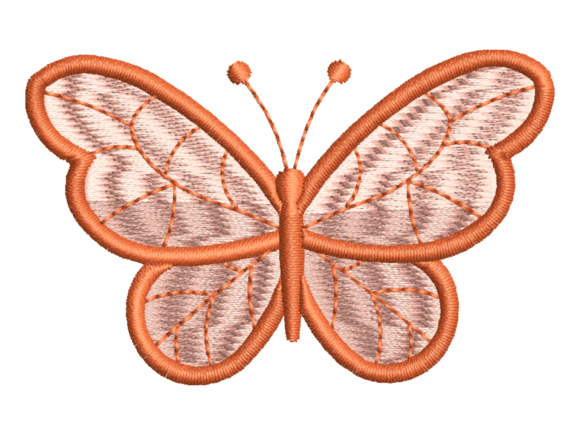
The moment you preview the Lace Butterfly Mesh Wing Design, the visual mood is immediately established. It leans heavily into a romantic, vintage aesthetic that feels perfect for spring collections or bridal accessories. Unlike standard butterfly designs that often rely on solid blocks of color, this design emphasizes texture through its "mesh" interpretation. In the context of Creative Fabrica embroidery assets, this suggests a reliance on intricate running stitch patterns and perhaps some delicate satin stitch outlining to mimic the openwork of lace.
For a professional looking to elevate their brand, the decorative appeal here is significant. It moves beyond simple decoration into the realm of fine detailing. However, the detail level demands respect. If you are used to bold, high-impact logos, this design requires a shift in mindset. It is not a design meant to shout; it is designed to whisper elegance. The stitching personality feels airy and light, which is promising for projects where fabric drape and softness are paramount.
Performance in Real Embroidery Work
When I began mentally mapping out how the Lace Butterfly Mesh Wing Design would perform in actual production, several use cases stood out. For custom apparel, particularly lightweight summer tops or linen dresses, this design offers a sophisticated alternative to heavy prints. The mesh effect implies that the underlying fabric will show through, creating a seamless integration between the garment and the art.
I also considered its application on tote bag design projects. A canvas tote bag provides a sturdy, textured background that could beautifully contrast with the delicate nature of the wings. Similarly, for sweatshirt embroidery, placing this design on the sleeve cuff or chest pocket of a lighter weight fleece could add a touch of whimsy without overwhelming the garment. For those selling handmade products on Etsy or at craft fairs, this design fits perfectly into categories like nursery decor, pillow covers, and kitchen towels. Imagine a set of white cotton napkins featuring this butterfly; the visual impact would be both charming and marketable.
Furthermore, as an embroidered patch, this design holds potential. If backed correctly, the mesh wings could create a unique texture when sewn onto denim jackets or hats. The versatility extends to personalized gifts as well. A baby blanket or a personalized apron for a home baker becomes instantly special with such a detailed motif. For commercial embroidery businesses, having a design asset like this allows for niche marketing, targeting customers who appreciate finer details over generic graphics.
Practical Considerations for the Designer
While the aesthetic is strong, practical execution is where many designers stumble. The Lace Butterfly Mesh Wing Design presents specific challenges regarding stitch density and hoop size. Because the design mimics lace, there are likely areas of open space interspersed with dense stitching. On stretchy fabrics, such as jersey or spandex blends, the tension required to hold these fine details can cause puckering if not managed correctly.
Using the right stabilizer is non-negotiable here. A tear-away stabilizer might not provide enough support for the intricate mesh sections, potentially leading to gaps or uneven tension. A cut-away or even a water-soluble topping might be necessary to keep the threads in place during the run. Additionally, if you plan to use this on dark fabric, the thread colors become critical. White thread on black fabric can highlight any minor registration errors in the mesh pattern, so testing is essential.
Another factor to consider is the curved cap surfaces. If you intend to apply this to a baseball cap, the curvature can distort the symmetry of the butterfly wings. The mesh details might bunch up on the curve, ruining the illusion of lace. In such cases, a flat panel patch style might be safer than direct embroidery. For products that need frequent washing, like kitchen towels or children's clothing, the durability of the fine stitches must be verified. Fine running stitches can sometimes snag more easily than dense fill stitches.
Impact on Product Value and Brand Consistency
Incorporating the Lace Butterfly Mesh Wing Design into your portfolio can significantly affect your product value. High-detail embroidery signals craftsmanship. Customers who see this level of intricacy often associate it with higher quality and are willing to pay a premium for a handmade product that looks professionally finished. This design helps build buyer trust by demonstrating attention to detail.
From a branding perspective, using unique assets like this helps maintain brand consistency across your shop. If your brand identity revolves around elegance, femininity, or nature-inspired themes, this butterfly aligns perfectly. It enhances the visual appeal of your listings and improves product photography. Close-up shots of the mesh wings catching the light can make your online store stand out in a crowded marketplace. This leads to better customer engagement, as shoppers are drawn to items that look distinct and thoughtfully created.
For small business owners and creative entrepreneurs, the ability to offer exclusive, high-quality designs is a competitive advantage. Using a digital embroidery file that stands out ensures your merchandise doesn't look like mass-produced goods. Whether you are creating printable mockup images for your website or producing physical inventory, the perceived value of the item rises with the complexity and beauty of the embroidery.
Essential Steps Before Your First Run
Before committing the Lace Butterfly Mesh Wing Design to a final customer order, I strongly recommend following a strict testing protocol. First, always test on scrap fabric similar to your final material. Check the thread color contrast to ensure the mesh pattern remains visible and distinct. Review the stitch density settings on your machine; you may need to adjust speed or tension to prevent breaking threads in the delicate areas.
Confirm the hoop size requirements listed on the product page. While the description states that digital files are delivered in ZIP or RAR format, specific hoop dimensions are crucial for planning your layout. Compare light and dark fabric mockups to visualize how the design will appear in different contexts. Finally, inspect the small details after stitching. Zoom in to ensure no loose threads mar the finish.
Remember, this is a digital product with instant download capabilities, but there are no returns or refunds. Therefore, due diligence is key. Verify the file details and licensing terms on the Creative Fabrica product page before selling finished items. Ensure you have the appropriate license for commercial embroidery if you plan to sell the embroidered goods. By taking these steps, you can confidently integrate this beautiful Bugs category design into your next successful project.