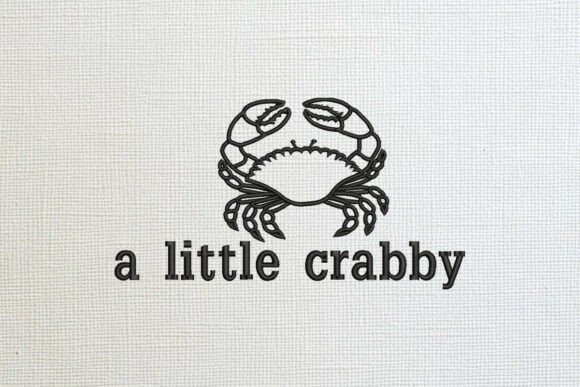
A Little Crabby Embroidery Design Review
As a designer who has spent years navigating the intersection of digital files and physical thread, I approach every new machine embroidery design with a mix of excitement and skepticism. The market is flooded with generic patterns, but occasionally, a file arrives that feels like it was built for real-world application rather than just a digital preview. That is exactly how I felt when I first opened the A Little Crabby file. This isn't just another cute animal; it is a character-driven piece that demands attention in a way that translates beautifully from screen to fabric.
First Impressions: Personality on the Hoop
When you load A Little Crabby into your digitizing software or machine interface, the immediate impression is one of playful charm. The design falls squarely into the Animal Quotes category, but it avoids the clutter often found in this niche. The layout is balanced, with the crab's claws positioned in a way that suggests movement without overwhelming the text. The visual personality is distinct—it’s sassy yet endearing, making it an instant favorite for those looking to add a touch of humor to their handmade product lines.
The digitization appears professional right out of the gate. The transition between the fill stitch areas of the shell and the satin stitch detailing on the claws looks seamless in the simulation. There are no obvious jagged edges or floating threads in the preview, which is a critical indicator of a high-quality embroidery file. For a small business owner or an Etsy seller, this level of polish means less time troubleshooting and more time selling.
Real-World Application: From Totes to Nursery Decor
To truly understand the value of A Little Crabby, we have to move beyond the computer screen and imagine it stitched onto actual goods. I immediately pictured this design on a canvas tote bag. The sturdy nature of canvas holds up well against the density of the crab's shell, and the playful theme fits perfectly with beach-themed merchandise or summer craft fair items. The scale works wonderfully here, allowing the details of the eyes and claws to remain crisp even from a distance.
Another strong contender for this design is custom apparel, specifically sweatshirts. Imagine a cozy, heather-grey sweatshirt with A Little Crabby centered on the chest. The contrast would be striking, especially if you chose bright orange or coral thread colors against the neutral background. This kind of sweatshirt embroidery is a staple for boutique branding, and the design's compact shape ensures it won't look stretched or distorted on curved surfaces like a hoodie pocket.
For parents looking for unique nursery decor, this design offers excellent potential. A personalized gift featuring A Little Crabby on a baby onesie or a soft pillow cover adds a whimsical touch that stands out from the typical elephants and giraffes. The rounded shapes of the crab are gentle and appealing for children, making it a safe bet for baby embroidery projects where softness and durability are key.
Navigating Fabric Challenges and Technical Nuances
While A Little Crabby is versatile, experienced designers know that no design is immune to fabric challenges. If you plan to use this on thin fabrics like lightweight cotton tees, you must be diligent about your stabilizer choice. The density of the fill stitches in the crab's body could cause puckering on flimsy material if not backed correctly. I always recommend testing the design on scrap fabric first to ensure the tension is perfect before committing to a client order.
Dark fabrics present another consideration. While the design includes outlines that help define the shape, using a dark background requires careful selection of thread colors to maintain visibility. A light-colored underlay or a slightly larger hoop size might be necessary to ensure the intricate details of the claws don't get lost in the shadows of the fabric texture.
Furthermore, if you are considering this for an embroidered patch or a cap, pay close attention to the stitch count and density. Curved surfaces like caps can distort designs that aren't optimized for them. While A Little Crabby has a manageable footprint, checking the specific hoop size requirements is essential. You want to avoid forcing the design into a hoop that is too small, which can lead to registration issues and messy stitching.
Strategic Value for Craft Businesses
For the Etsy seller or creative entrepreneur, A Little Crabby represents more than just a cute image; it is a tool for brand consistency and customer engagement. In a saturated market, having a recognizable, high-quality motif helps build trust. When customers see a finished product with clean lines and vibrant colors, they associate that quality with your entire shop.
This design also serves as an excellent asset for creating printable mockups. Even before you stitch a single item, you can generate professional-looking previews to showcase on your website or social media. The clear definition of the crab allows for sharp images that entice buyers. Whether you are marketing holiday embroidery gifts or everyday small shop products, the ability to visualize the final result accurately is a huge advantage.
Moreover, the versatility of A Little Crabby allows you to expand your product line without needing new assets. You can adapt it for kitchen towels, aprons, or even decorative accents on blankets. The key is to maintain the integrity of the design by respecting its intended scale and stitch density. Overcrowding the design or resizing it too drastically will compromise the finished product and diminish the perceived value.
Designer Notes: Best Practices for Success
Before integrating A Little Crabby into your workflow, there are a few practical steps I cannot stress enough. First, always review the licensing terms. As a commercial embroidery asset, you need to confirm whether you are allowed to sell the finished items or if there are restrictions on digital distribution. Protecting your business starts with understanding the rules of the digital embroidery file you purchase.
Secondly, test the design in black and white mockups. This helps you evaluate the contrast and legibility of the text and graphics without the distraction of color. It is a quick way to spot potential issues with stitch density or spacing that might not be obvious in a full-color preview.
Finally, invest in the right stabilizer. Whether you are working on a structured tote bag or a stretchy garment, the foundation of your embroidery determines its longevity. A little extra time spent prepping the hoop and backing will save you hours of rework and unhappy customers.
In conclusion, A Little Crabby is a standout addition to any designer's library. It balances technical precision with creative flair, making it a reliable choice for both hobbyists and professionals. By understanding its strengths and limitations, you can leverage this design to create memorable, high-quality products that resonate with your audience.